

Watching your child lose a baby tooth can be exciting, especially when the first permanent tooth begins to take its place. But as permanent teeth start coming in, parents often have questions. Which teeth should come in first? Is it normal for a new tooth to look crooked or have ridges? What if a permanent tooth does not seem to be coming in at all?
Good dental care during childhood does more than help prevent cavities. Regular dental visits allow us to monitor how your child’s mouth and jaw are developing, watch as baby teeth are replaced by permanent teeth, and identify concerns that may need attention.
At Healthy Smiles Dental in Anchorage, we provide pediatric dentistry as part of our comprehensive family dentistry services. We can care for your child’s teeth through these important stages of development and help you understand what to expect as their permanent smile takes shape.
When Do Permanent Teeth Start Coming In?
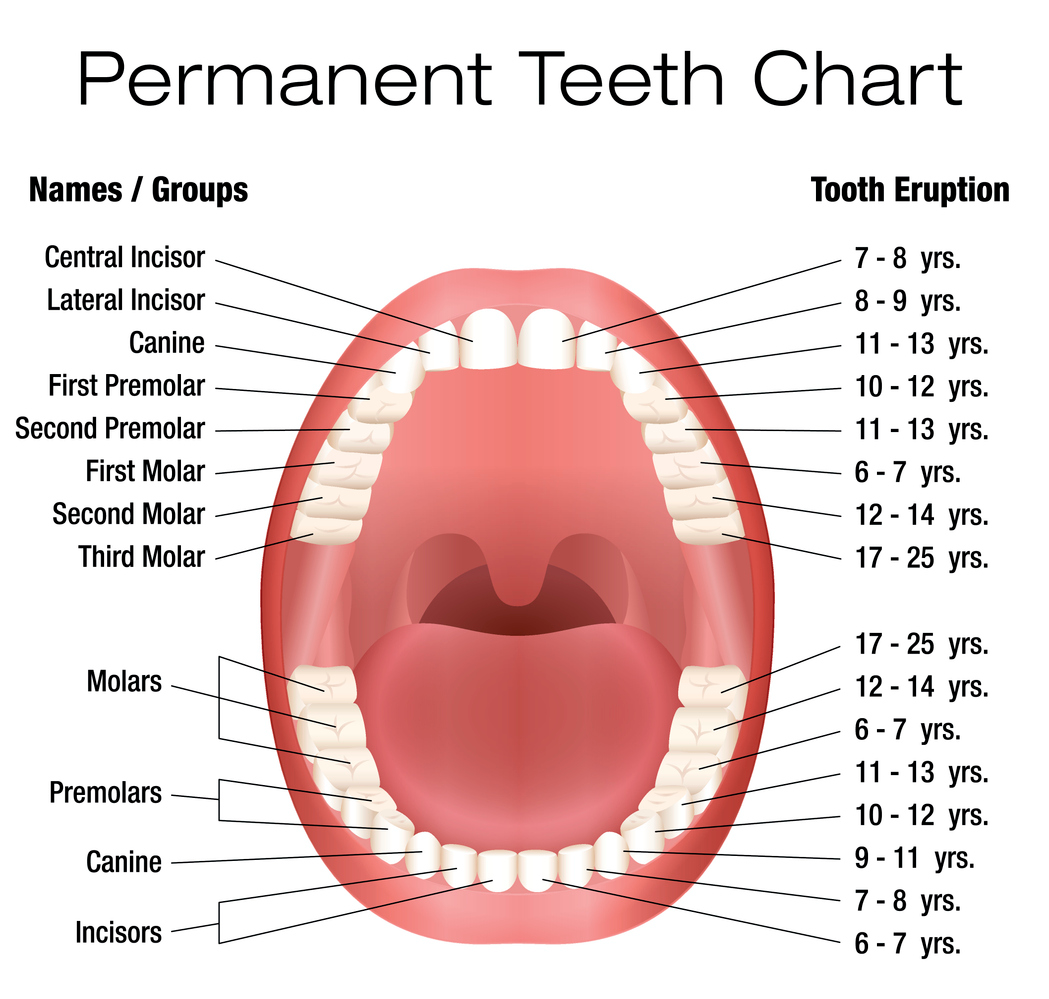
Most children begin getting their permanent teeth at around age 6, although the timing varies from child to child. The process of a tooth coming through the gums is called tooth eruption, and permanent teeth continue to erupt throughout childhood and into the teenage years.
Children develop at different rates, so your child’s permanent teeth may come in somewhat earlier or later than another child’s.
Which Permanent Teeth Come In First?
The two bottom front teeth, called the lower central incisors, and the first permanent molars are generally among the first adult teeth to appear.
The first permanent molars are the large chewing teeth that come in toward the back of the mouth, behind the existing baby teeth. Because they do not replace baby teeth, parents may not immediately realize these new molars are permanent.
The two upper front teeth, or upper central incisors, typically follow. Over the next several years, the rest of the front teeth (incisors), pointed teeth (canines), premolars, and additional molars gradually come in.
What Do Permanent Teeth Look Like When They First Come In?
New permanent teeth do not always look exactly the way parents expect.
For example, the edges of newly erupted front teeth can have small bumps or ridges. These are called mamelons and are a normal part of tooth development. They often become less noticeable as the teeth are used for biting and chewing.
Permanent teeth can also look slightly more yellow than baby teeth. Baby teeth tend to be particularly white, so the difference can become more noticeable when permanent and baby teeth are next to each other.
New teeth may also initially appear somewhat uneven or crooked. Your child’s mouth and jaw are still developing, and the position of the teeth can change as additional permanent teeth come in.
What If a Permanent Tooth Comes In Behind a Baby Tooth?
Occasionally, a permanent tooth begins coming in before the baby tooth it is replacing has fallen out. Parents may notice what looks like a second row of teeth, particularly behind the bottom front teeth.
The baby tooth may eventually loosen and fall out on its own, allowing the permanent tooth more room to move into position. However, if the baby tooth remains firmly in place or you are concerned about where the permanent tooth is coming in, a dental exam can help determine whether any treatment is needed.
We can evaluate the baby tooth, the position of the permanent tooth, and the amount of available space. In some cases, we may simply monitor the teeth as they develop. If the baby tooth is not loosening as expected and is interfering with the permanent tooth, removing it may be recommended.
Is It Normal for Permanent Teeth to Come in Crooked?
A permanent tooth that initially appears crooked does not necessarily mean your child will need orthodontic treatment.
Permanent teeth are larger than baby teeth, and a child’s jaw is continuing to grow as those larger teeth emerge. Crowding, spacing, and alignment can change considerably during this period.
If the teeth appear crowded or are coming in at unusual angles, we can monitor how they develop and determine whether further evaluation is needed.
What If a Permanent Tooth Is Not Coming In?
Permanent teeth do not come in at the same age for every child, so a tooth that seems late may simply need more time to develop and emerge.
However, there are several reasons a permanent tooth may be delayed. There may not be enough room for it to come in, its position may make it more difficult to come through the gums, or the baby tooth may still be present. Less commonly, a permanent tooth may not have developed.
If one permanent tooth is taking considerably longer to appear than the matching tooth on the other side, or you are concerned about how your child’s teeth are developing, a dental examination can help determine what is happening. When needed, dental X-rays can show where the permanent tooth is, how it is positioned, and whether something may be preventing it from coming in normally.
What happens next depends on what we find. In some cases, the tooth simply needs more time and we can monitor its development. If a baby tooth is preventing the permanent tooth from coming in properly, removing the baby tooth may be recommended. If there is not enough room for the permanent tooth or its position may require orthodontic treatment, we can recommend further evaluation by an orthodontist.
Caring for Newly Erupted Permanent Teeth

Permanent teeth need to last a lifetime, so protecting them from the time they first appear is important.
The first permanent molars deserve particular attention. These large chewing teeth have grooves where food and plaque can collect. Because they appear at the back of the mouth, children may also have difficulty reaching and brushing them thoroughly.
The American Dental Association recommends brushing children’s teeth twice a day with fluoride toothpaste to help prevent cavities. Children should also clean between their teeth as recommended for their age. Parents may need to supervise or assist with brushing until children can consistently clean all tooth surfaces effectively.
Children generally should have a dental checkup about every six months, even when their teeth appear to be healthy, and their permanent teeth seem to be coming in normally. Cavities and other dental problems are not always obvious at home, and these visits allow us to check the health of your child’s teeth and gums, look for early signs of tooth decay, and monitor how the jaws and permanent teeth are developing. Regular checkups also give us a chance to identify concerns with eruption, spacing, or alignment before they become more noticeable. Some children may need a different schedule based on their individual dental health.
Helping Your Child Build a Healthy Permanent Smile
The years when baby teeth are falling out and permanent teeth are coming in involve a great deal of change. Teeth may not appear perfectly straight or even at first, and tooth eruption does not follow the same timetable for every child. Keeping up with your child’s six-month dental checkups allows us to follow these changes over time while also protecting the health of their developing permanent smile.
At Healthy Smiles Dental, caring for children is an important part of the family dental care we provide in Anchorage. From routine checkups and preventive care to monitoring permanent teeth as they come in, our team can care for your child’s smile as it grows and develops.
If you have questions about your child’s permanent teeth or it is time for their next six-month dental checkup, contact Healthy Smiles Dental to schedule an appointment.