

You may first notice swollen gums when brushing your teeth. Perhaps the tissue around one tooth looks puffy, your gums have started bleeding, or an area feels tender when you eat. Sometimes, the swelling develops without any discomfort, making it easy to overlook.
Although swollen gums may result from something as simple as trapped food or irritation, they can also indicate gum disease or a dental infection. At Healthy Smiles Dental in Anchorage, we look beyond the visible swelling to identify the underlying problem and determine the appropriate treatment.
What Does the Location of Swollen Gums Tell Us?
The location of swelling can provide important clues, but it does not always tell the whole story. We also examine the surrounding teeth and gum tissue to determine whether the problem involves irritation, gum disease, or a possible infection.
Swelling Around One Tooth
When a patient has swelling around a single tooth, we look closely at that area rather than assuming the problem is generalized gum disease.
Sometimes, food has become trapped between the teeth, irritating the gum tissue. If this keeps happening in the same spot, we may find a space where food collects, a problem with an existing filling or crown, or an issue with how the teeth contact each other.
In other cases, swelling around one tooth can indicate an infection. A small bump on the gum, tenderness when biting, or an unpleasant taste may suggest an abscess.
These problems require different treatments. Removing trapped food may resolve simple irritation, but an abscess needs professional care to address the source of the infection.
Swollen Gums That Bleed When Brushing
Bleeding gums are something we take seriously, particularly when the bleeding happens repeatedly.
Plaque buildup along the gumline can cause gingivitis, the earliest stage of gum disease. The gums may appear red or swollen and bleed easily, even when brushing gently.
Genetics also play an important role in periodontal disease. Some people inherit a greater susceptibility to gum inflammation and damage to the tissues and bone supporting their teeth. As a result, periodontal disease can develop even in patients who brush and floss carefully and receive regular dental cleanings. Poor oral hygiene can increase the risk, but it is not the only factor.
During an examination, we check for inflammation, tartar buildup, and changes in the spaces between your teeth and gums. These findings help us determine whether the problem is limited to gingivitis or whether the supporting tissues have been affected by more advanced periodontal disease.
The distinction is important. Gingivitis can be reversed, while periodontitis involves damage that requires ongoing management. The National Institute of Dental and Craniofacial Research explains how gum disease develops and why early treatment matters.
Swollen Gums Without Pain
Patients may assume their gums are healthy because they can chew normally and have no toothache. However, gingivitis and even more advanced gum disease can develop with little discomfort.
We do not rely on pain alone when evaluating gum health. We look at the condition of the tissue, check for bleeding and changes around the teeth, and assess whether there are signs of disease that need attention.
Other Reasons Your Gums May Be Swollen
Not all gum swelling is caused by infection or gum disease.
Brushing too aggressively or snapping floss against the gums can irritate the tissue.
Pregnancy can also affect gum health. Increased hormone levels make the gums more sensitive to plaque, which can lead to swelling, tenderness, and bleeding. These changes are common during pregnancy and do not necessarily indicate a serious problem. However, we encourage our pregnant patients to continue their routine dental examinations and cleanings. Regular professional care can help manage gum inflammation and prevent problems from progressing.
Certain medications may contribute to gum enlargement as well. If we notice an unusual pattern of swelling, we may ask about your medications and medical history to help identify possible contributing factors.
Understanding these factors helps us recommend care that addresses the cause rather than simply treating the visible swelling.
What Can You Do for Swollen Gums at Home?
If your gums are mildly irritated, continue brushing gently with a soft-bristled toothbrush and cleaning between your teeth. A warm saltwater rinse may temporarily soothe the area.
Avoid digging beneath the gums or trying to drain a swollen bump yourself. If food appears to be trapped between your teeth, use floss carefully rather than a sharp object.
Home care may help minor irritation, but it cannot remove hardened tartar or eliminate an infection. If the swelling persists, returns, or becomes more uncomfortable, we recommend having it examined.
When to Schedule an Appointment for Swollen Gums
A small area of irritation after flossing too aggressively is different from swelling that keeps returning or develops around a painful tooth. At Healthy Smiles Dental, we consider how the symptoms began, whether they are getting worse, and what other changes you have noticed.
Swelling that persists or keeps coming back deserves an examination, even if it is not painful. Repeated inflammation may indicate plaque buildup, gum disease, or a problem that allows food and bacteria to collect around a tooth.
Bleeding that happens regularly is another reason to schedule a visit. Healthy gums should not routinely bleed during gentle brushing or flossing. We want to determine whether inflammation or another condition is responsible.
A swollen bump, drainage, or tooth pain raises greater concern about infection. Contact our office promptly for an evaluation, particularly if the swelling is increasing. An abscess still needs treatment even if the discomfort temporarily improves.
Rapidly increasing swelling, fever accompanied by facial swelling, or difficulty opening your mouth may indicate a spreading infection and require urgent evaluation. If you have difficulty breathing or swallowing, or swelling extending toward your eye or neck, seek emergency medical care immediately.
How We Determine the Right Treatment
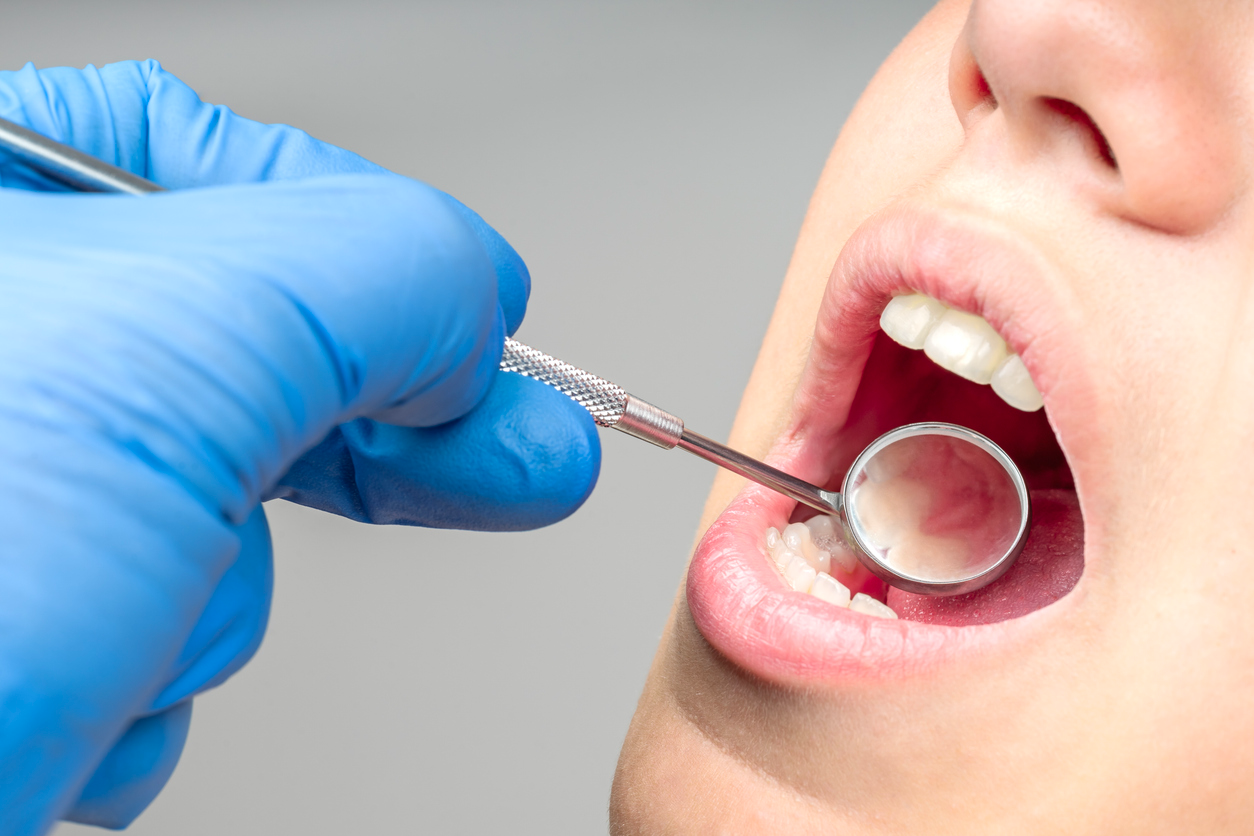
When you visit Healthy Smiles Dental with swollen gums, we begin by examining the affected area and asking about your symptoms. We want to know when the swelling started, whether it comes and goes, and whether you have noticed bleeding, pain, or changes in your teeth.
For example, if plaque and tartar buildup have caused gingivitis, a professional cleaning to remove the deposits, followed by consistent brushing and flossing, can help reverse the inflammation.
If we discover deeper periodontal pockets or evidence of damage to the supporting tissues, treatment may involve more extensive periodontal care and ongoing maintenance. Our article on gum disease treatment in Anchorage explains why continued care is important.
When swelling is concentrated around a particular tooth, we may recommend dental X-rays to check for infection or another problem that is not visible during the examination. Depending on the findings, treatment may involve addressing a damaged restoration, treating an infected tooth, or arranging additional care.
We want patients to understand what is causing their symptoms and why we recommend a particular treatment. The right approach depends on the condition of the gums and teeth, not simply how swollen the tissue appears.
Let Healthy Smiles Dental Find the Cause
Swollen gums can be an early warning sign of a problem that deserves attention, even when there is little or no pain. Identifying the cause can help prevent further damage and determine whether treatment is necessary.
If you have noticed persistent swelling, bleeding, or tenderness, contact Healthy Smiles Dental in Anchorage to schedule an examination. We can evaluate your gums, explain our findings, and recommend the next steps for your dental health.